


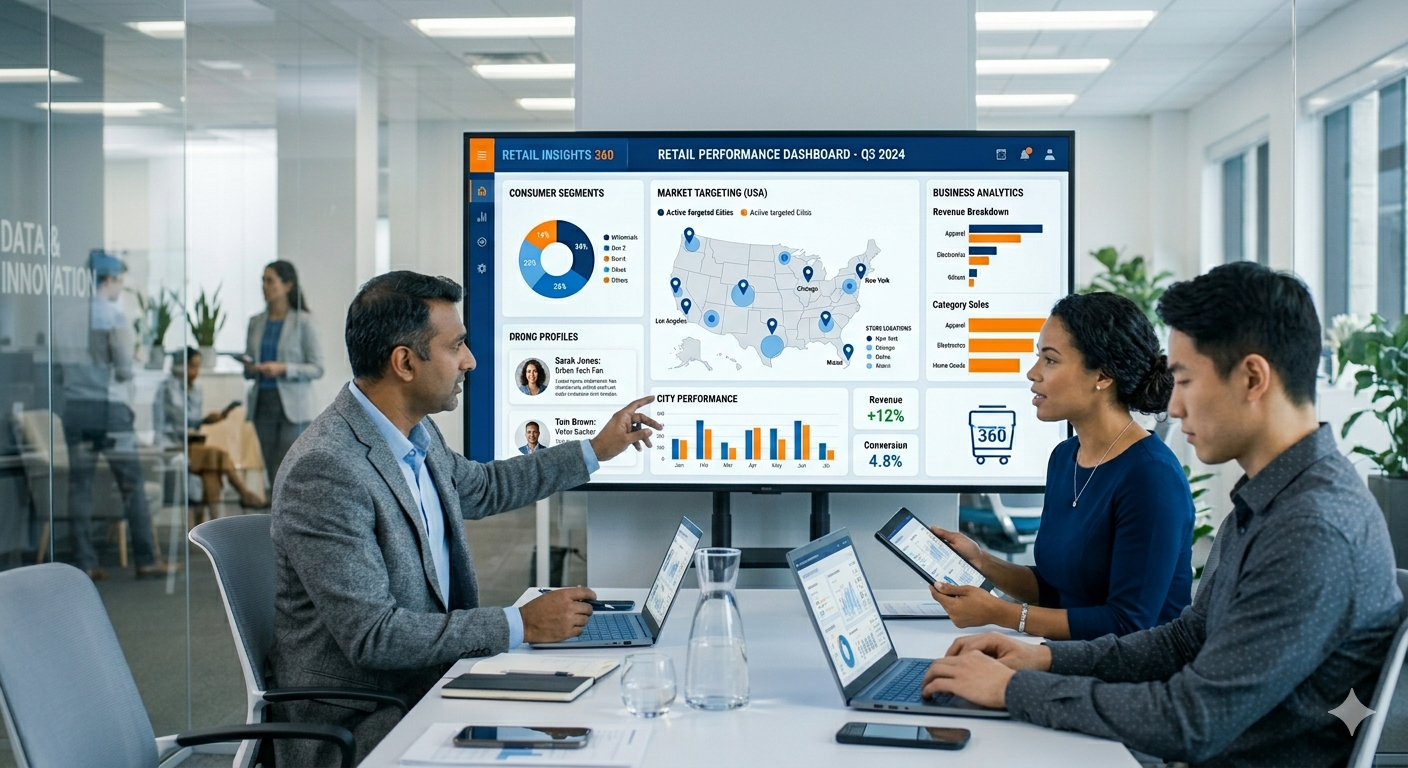
How Retail Brands Use Consumer and Business Databases for Targeted Growth
Introduction
Retail today is no longer about selling products. It is about reaching the right buyer at the right time with the right intent.
However, most retail brands struggle with:
- Random outreach
- Low conversion campaigns
- Poor customer understanding
- Wasted marketing budgets
This is where structured data becomes critical.
Retail brands now depend on consumer and business databases to:
- Identify real buyers
- Segment audiences
- Plan targeted expansion
- Improve sales efficiency
Platforms like GetDatabase provide structured, segmented datasets that help retail brands build a strong data foundation before executing any outreach.
What is a Consumer and Business Database in Retail?
A consumer and business database is a structured collection of buyer and company information, organized for targeted use.
This includes:
- Individual consumers (location, income, buying patterns)
- Business buyers (retailers, distributors, resellers)
- Industry-specific segments
- City-wise and region-wise datasets
You can explore structured datasets here:
GetDatabase Homepage
Why Retail Brands Need Databases Today
Retail competition has increased. At the same time, attention spans have dropped.
Therefore, brands need precision.
Key reasons:
- Better Targeting
Reach only relevant buyers instead of mass outreach - Cost Efficiency
Reduce ad waste and improve ROI - Faster Expansion
Enter new cities with ready data - Higher Conversion Rates
Talk to people who already fit your product - Improved Decision-Making
Use data instead of guesswork
If you are planning targeted outreach, start with:
Business Database Solutions
Types of Databases Retail Brands Use
1. Consumer Databases
Used to target individual buyers based on:
- Demographics
- Income group
- Location
- Lifestyle
Explore:
Consumer Database
2. Business Databases
Used for B2B retail growth:
- Dealers
- Distributors
- Shop owners
- Franchise prospects
Explore:
B2B Database
3. Industry-Specific Databases
Helps in niche targeting:
- Fashion retail
- Electronics
- FMCG
- Furniture
Explore:
Industry Database
4. Location-Based Databases
Used for city expansion and regional targeting:
- Mumbai
- Delhi
- Bangalore
- Tier-2 cities
Explore:
City-wise Database
5. Professional Databases
Used to reach decision-makers:
- Store managers
- Procurement heads
- Retail owners
Explore:
Professional Database
6. Dealer and Distributor Expansion
Using business databases, brands:
- Find new distributors in new cities
- Identify active retailers
- Build supply chains faster
Result: Faster market penetration
7. Store Location Planning
Brands analyze:
- Population density
- Income clusters
- Buyer concentration
Result: Open stores where demand already exists
8. Personalized Promotions
With structured data, brands:
- Send relevant offers
- Avoid spam messaging
- Improve customer experience
Result: Higher engagement
9. B2B Bulk Sales Targeting
Retail wholesalers use:
- Business buyer lists
- Industry segmentation
- Role-based targeting
Result: More qualified conversations
10. Seasonal Sales Strategy
Brands analyze:
- Region-wise buying patterns
- Festival demand trends
Result: Better inventory planning
Common Mistakes Retail Brands Make
Even today, many brands fail because of poor data usage.
Mistakes to avoid:
- Using unstructured or outdated data
- Doing mass outreach without segmentation
- Ignoring location-based targeting
- Targeting wrong decision-makers
- Expecting instant results without strategy
This is why structured platforms like
GetDatabase Enquiry Page
help brands get purpose-ready datasets.
How Structured Databases Improve Retail Performance
When data is properly structured, retail brands can:
- Identify high-intent buyers
- Reduce outreach waste
- Improve campaign precision
- Expand into new markets confidently
- Build long-term customer strategies
For understanding dataset structure and quality:
About GetDatabase (https://getdatabase.in/about/)
Real Business Impact (Practical View)
Let’s be realistic.
A database does NOT:
- Guarantee sales
- Automatically generate leads
- Replace marketing execution
However, it DOES:
- Improve targeting accuracy
- Increase response probability
- Reduce effort and time
- Strengthen outreach foundation
This is what actually drives consistent growth.
Summary (Quick Takeaways)
- Retail growth depends on targeted data, not random outreach
- Consumer + business databases enable precision marketing
- Structured data improves conversion efficiency
- Industry and location segmentation drives better results
- Data is a foundation, not a shortcut
FAQs
1. What is a retail consumer database?
It is a structured dataset of individual buyers categorized by demographics, location, and purchasing behavior.
2. How do retail brands use business databases?
They use them to find distributors, retailers, and B2B buyers for expansion.
3. Does a database guarantee leads?
No. It improves targeting, but execution decides results.
4. Which database is best for retail expansion?
City-wise and industry-specific databases work best for expansion.
5. Is GetDatabase a marketing platform?
No. It is a structured data provider that supports outreach planning.