


Introduction
decision-maker databases
Many businesses face the same issue.
They contact many people, but decisions do not move.
Calls happen.
Emails go out.
Follow-ups increase.
Still, nothing changes.
This problem appears when businesses do not reach decision-makers.
That is why decision-maker databases matter.
This blog explains what decision-maker databases are, who uses them, and why they work — in simple language with a clear reading flow.
What Is a Decision-Maker? (Simple Meaning)
decision-maker databases
A decision-maker is someone who has the authority to approve or reject a business request.
In most companies, decision-makers include:
- Owners
- Founders
- CEOs
- CXOs
- Senior managers
When businesses speak to the right person, progress becomes faster.
What Is a Decision-Maker Database?
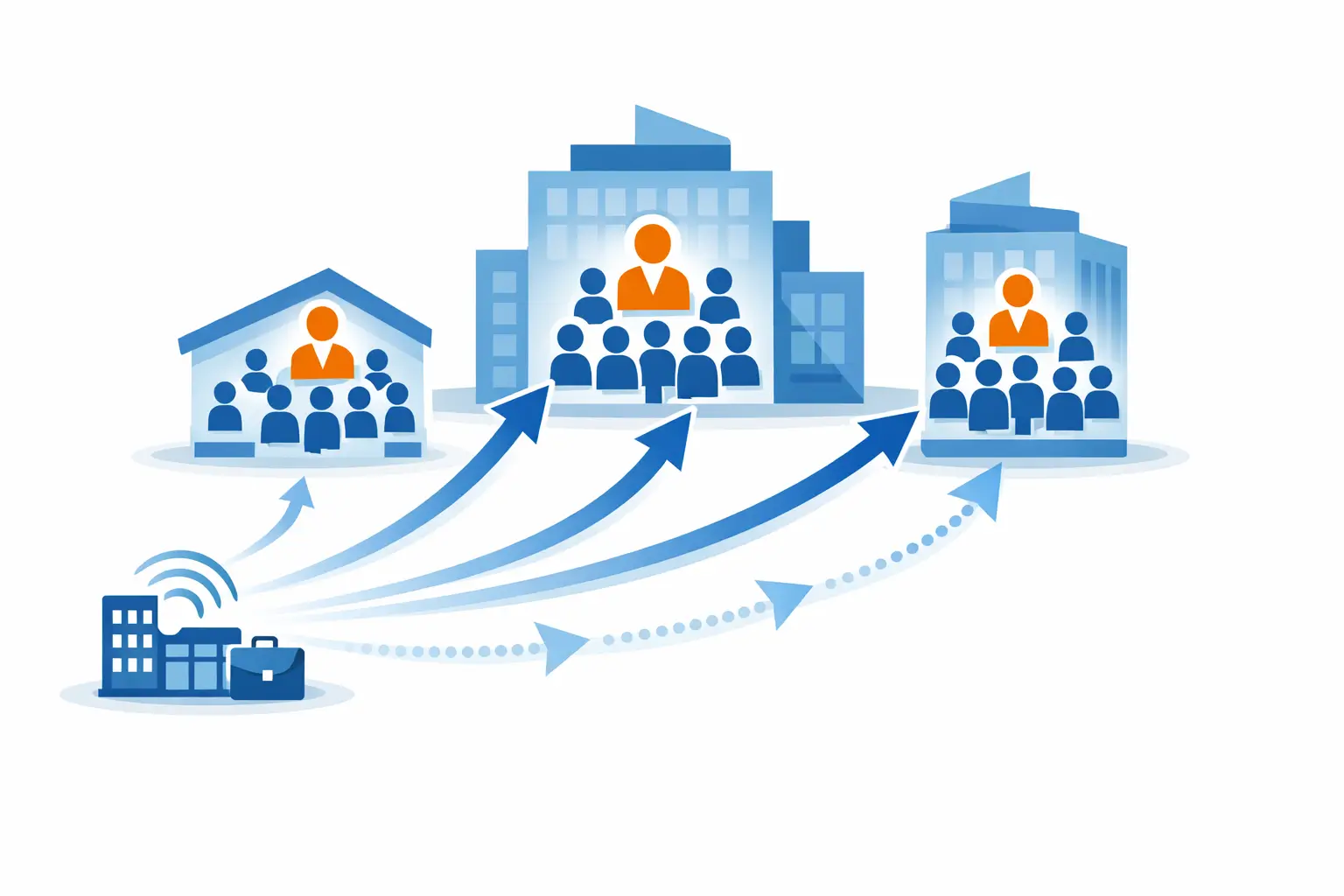
A decision-maker database is a structured list of business contacts that includes only people who can take decisions.
Instead of listing everyone in a company, it focuses on:
- Leadership roles
- Senior authority positions
- Responsibility holders
Platforms like GETDATABASE
organize such data so businesses avoid wasting time on non-decision roles.
Why Normal Contact Lists Do Not Work
Most contact lists include:
- Junior staff
- Support teams
- Interns
- General contacts
Because of this mix:
- Messages get ignored
- Requests move slowly
- Follow-ups increase
Decision-maker databases remove this noise and bring clarity.
How Decision-Maker Databases Are Structured
These databases organize data using:
- Job designation
- Decision authority
- Company role
Many businesses start with a COMPANY DATABASE IN INDIA
and then filter it to leadership roles only.
This structure saves time from the beginning.
Common Types of Decision-Maker Databases
1. CEO and Founder Databases
These databases include people who lead organizations.
For final approvals, businesses rely on a CEO DATABASE IN INDIA
This approach shortens the decision cycle.
2. C-Level Executive Databases
C-level executives handle strategic decisions.
These roles include:
- CEO
- CFO
- CTO
- COO
Businesses use a C-LEVEL EXECUTIVES DATABASE
when discussions involve planning, budgets, or strategy.
3. Functional Decision-Maker Databases
Some decisions stay within departments.
Examples include:
- HR managers for hiring
- Marketing managers for promotions
- Operations heads for vendors
That is why many companies use an HR MANAGERS DATABASE
instead of contacting general staff.
Who Uses Decision-Maker Databases?
Sales Teams
Sales teams use decision-maker data to:
- Reduce follow-ups
- Avoid gatekeepers
- Close discussions faster
Business Owners
Business owners use these databases to:
- Build partnerships
- Explore new markets
- Save time
Recruiters
Recruiters use decision-maker databases to:
- Reach hiring authorities
- Improve response
- Reduce delays
Consultants and Agencies
Consultants and agencies use decision-maker data to:
- Pitch relevant solutions
- Speak directly to leaders
- Build trust
Why Decision-Maker Databases Deliver Better Results
Faster Decisions
When the right person receives the message, decisions move forward.
Less Effort
Teams contact fewer people but see better outcomes.
Clear Communication
Messages feel direct and relevant to the recipient.
Decision-Maker Databases vs General Databases
General Databases
- Mixed roles
- Slower responses
- More confusion
Decision-Maker Databases
- Focused authority
- Faster action
- Clear outcomes
Focus always performs better.
A Simple Example
If you need approval, you ask the person in charge.
You do not ask everyone in the office.
The same logic applies to business data.
Why Google and AI Prefer Decision-Focused Content
Search engines and AI systems prefer content that:
- Has clear intent
- Explains roles clearly
- Avoids confusion
Decision-focused content:
- Improves reading time
- Reduces bounce rate
- Builds trust
That is why this topic performs well in search.
Data Responsibility Still Matters
Even decision-maker data must be used responsibly.
Clear usage rules are defined in the TERMS OF USE
and the PLATFORM DISCLAIMER
Responsible use protects everyone.
Final Summary
- Decision-makers control outcomes
- Decision-maker databases focus on authority
- Outreach becomes faster and clearer
- Effort reduces while results improve
- Reaching the right person changes everything
Frequently Asked Questions (FAQs)
What is a decision-maker database?
It is a database containing contacts of people who can make business decisions.
Who benefits most from decision-maker databases?
Sales teams, business owners, recruiters, and consultants benefit the most.
Are decision-maker databases better than general databases?
Yes. They remove noise and improve response quality.
Do decision-maker databases guarantee success?
No. However, they reduce delays and improve accuracy.