


Introduction
Many businesses believe one common myth.
They think a bigger database means better results.
However, this belief often leads to failure.
In reality, data quality matters far more than database size.
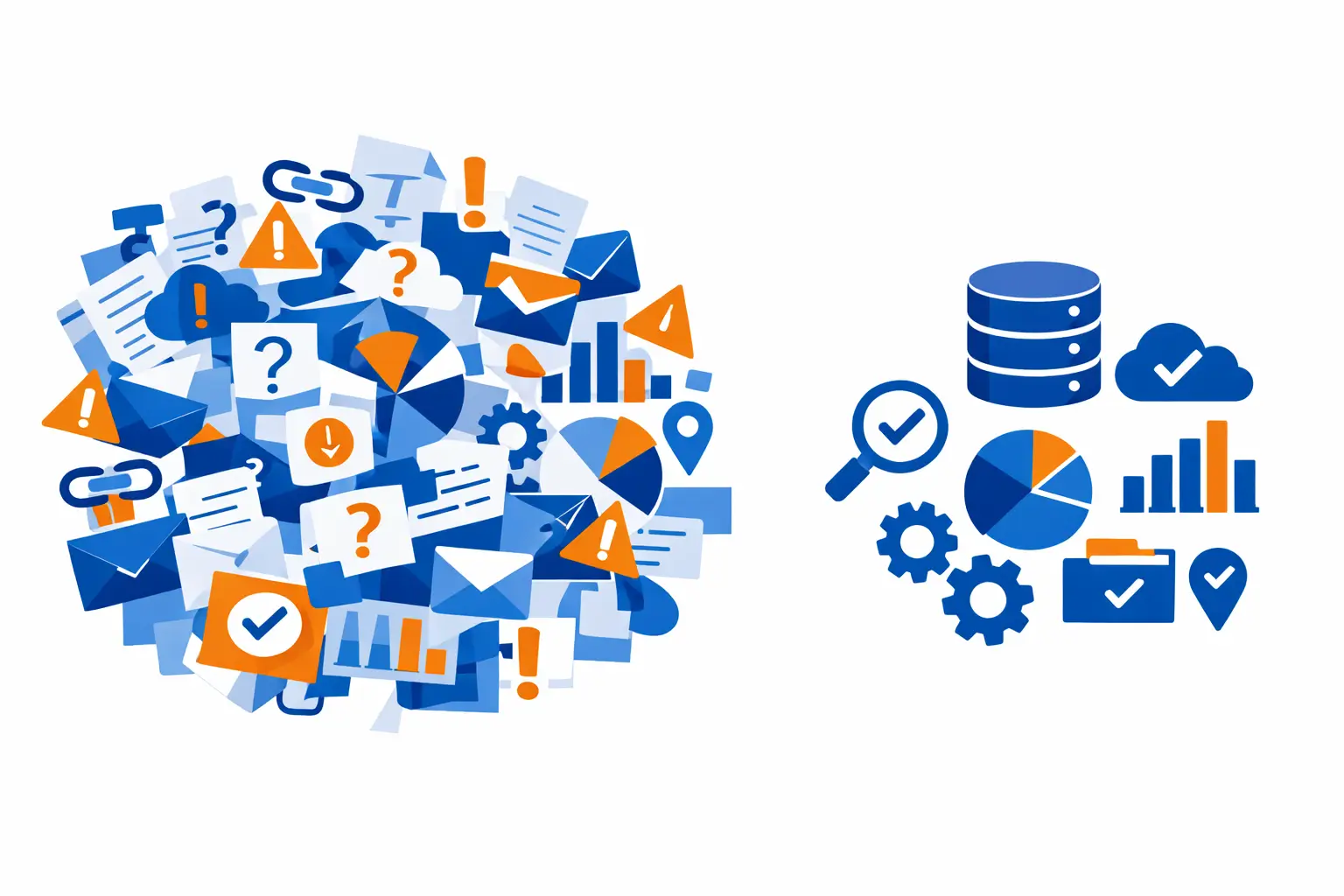
Clean, relevant data helps businesses move faster, while large but poor-quality data slows everything down.
This blog explains, in very simple and attractive language, why quality always beats quantity—and why modern businesses care more about who is in the database, not how many are in it.
What Do We Mean by Database Size?
Database size simply means the number of contacts or records.
A large database usually:
- Has many contacts
- Looks impressive
- Feels powerful
However, size alone does not guarantee usefulness.
What Do We Mean by Data Quality?
Data quality means how accurate, relevant, and usable the data is.
High-quality data is:
- Correct
- Updated
- Clearly categorized
- Relevant to business goals
Even a small database becomes powerful when the quality is high.
The Core Difference (Very Simple)
- Big database = more noise
- Quality data = more clarity
Clarity always wins in business.
Why Big Databases Often Fail
1. Large Databases Contain Irrelevant Contacts
Big databases usually mix:
- Decision-makers and non-decision-makers
- Different industries
- Different locations
- Different business sizes
As a result, outreach becomes confusing.
This is why businesses prefer structured platforms like GETDATABASE
which focus on organizing data instead of just increasing numbers.
2. Poor Data Quality Wastes Time
Low-quality data causes:
- Wrong calls
- Ignored messages
- Missed opportunities
Teams stay busy but results remain low.
Time wasted is more dangerous than money wasted.
3. Large Databases Reduce Focus
When databases are too big and messy:
- Teams do not know where to start
- Priorities become unclear
- Effort spreads thin
On the other hand, focused data improves decision-making.
That is why companies rely on a COMPANY DATABASE IN INDIA
instead of random, oversized contact lists.
Why Data Quality Improves Results
1. High-Quality Data Improves Relevance
Quality data is filtered by:
- Industry
- Role
- Location
- Business size
Because of this, messages feel more relevant.
For example, reaching decision-makers becomes easier with a CEO DATABASE IN INDIA
instead of contacting everyone blindly.
2. Quality Data Helps Reach the Right Industry
Different industries behave differently.
Quality databases separate industries clearly, such as:
- Education
- Manufacturing
- IT
That is why focused datasets like a MANUFACTURING COMPANIES DATABASE
perform better than mixed industry lists.
3. Quality Data Reduces Noise
Noise comes from:
- Duplicate entries
- Outdated contacts
- Wrong roles
Quality data removes this noise.
As a result:
- Fewer contacts are contacted
- Better responses are received
Less effort creates better outcomes.
Small Database vs Large Database (Simple Comparison)
Large but Low-Quality Database
- Looks impressive
- Hard to use
- Low response
- High frustration
Small but High-Quality Database
- Easy to manage
- Clear targeting
- Better engagement
- Higher confidence
This is why modern businesses choose quality first.
Why Google and AI Favor Data Quality Thinking
Search engines and AI systems prefer:
- Clear intent
- Structured information
- Focused explanations
Blogs that explain quality over quantity:
- Build trust
- Keep readers engaged
- Reduce bounce rate
This directly helps blog performance and traffic growth.
A Simple Real-Life Example
Think about shopping.
Would you prefer:
- 1,000 random items, or
- 10 items you actually need?
The answer is obvious.
The same logic applies to business data.
Common Mistake Businesses Still Make
Many businesses do this:
- Collect more data
- Feel confident
- Fail during execution
The problem is not effort.
The problem is poor data quality.
How Businesses Should Think About Databases
Instead of asking:
- “How big is the database?”
They should ask:
- “How accurate is the data?”
- “Is it relevant to my goal?”
- “Can I identify the right audience easily?”
That mindset change improves outcomes.
Why Rules and Data Responsibility Matter
Quality data also means responsible usage.
That is why platforms define clear boundaries in the TERMS OF USE
and the PLATFORM DISCLAIMER
Responsible data use protects both businesses and users.
Final Summary
- Database size does not guarantee success
- Data quality improves clarity and relevance
- High-quality data saves time and effort
- Smaller focused databases outperform large messy ones
- Quality-first thinking aligns with Google and AI expectations
In business, better data beats more data.
Frequently Asked Questions (FAQs)
Why is data quality more important than size?
Because accurate and relevant data leads to better decisions and higher response.
Can a small database still be effective?
Yes. A small, well-structured database often performs better than a large unfiltered one.
Does high-quality data reduce outreach effort?
Yes. It reduces wasted effort and improves focus.
How can businesses improve data quality?
By organizing data by industry, role, location, and keeping it updated.